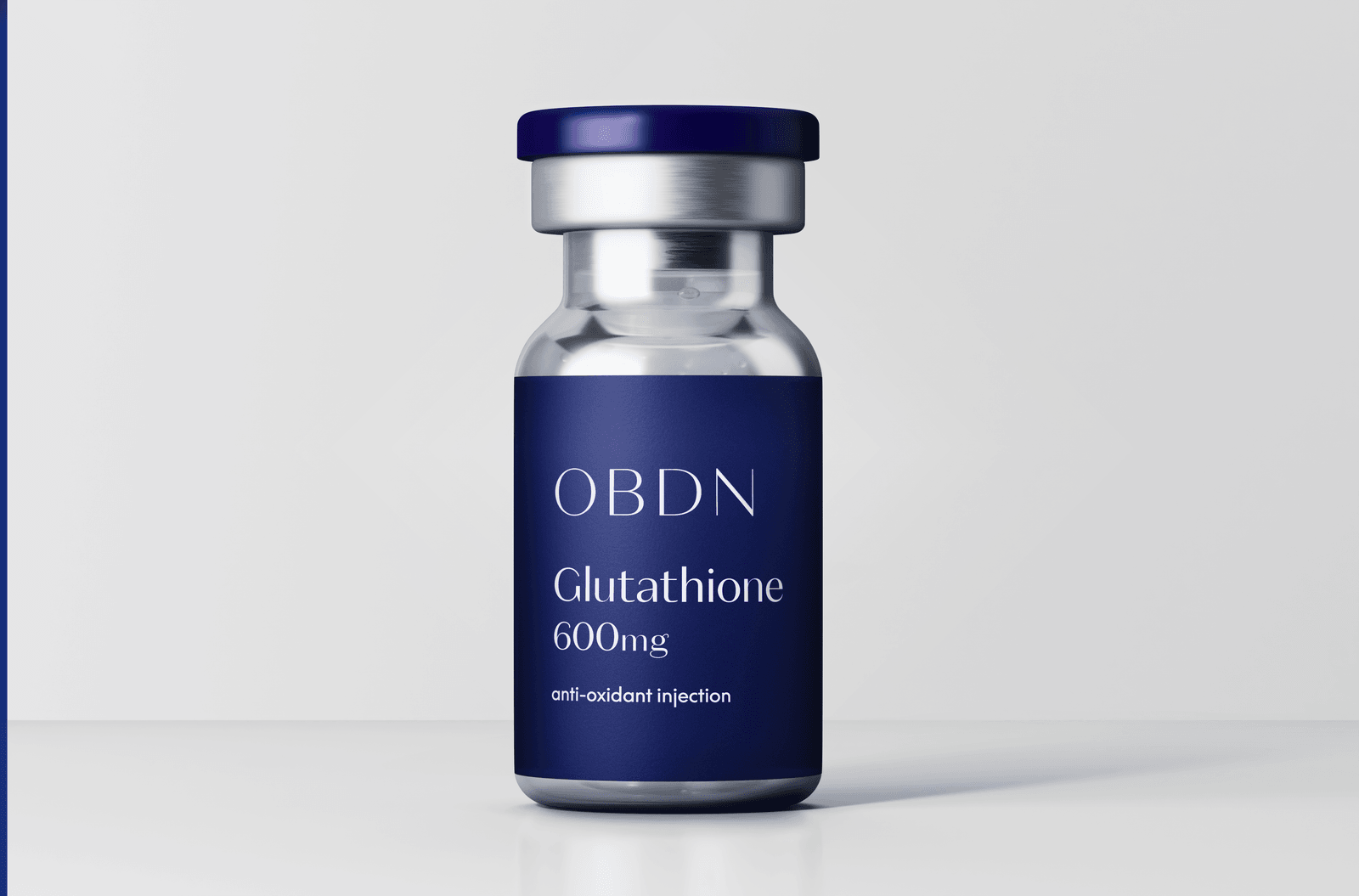
Coming SoonThe primary intracellular antioxidant — a tripeptide present in every cell that neutralizes reactive oxygen species and recycles other antioxidants back to their active forms.
It also conjugates toxins for export, making it central to Phase II detoxification.
Intracellular levels decline with age and under sustained oxidative load, which is why it appears in protocols addressing mitochondrial stress, inflammation, or toxic burden.
Made in USA•Purity: 99% HPLC
Well-established biochemistry as the body's master antioxidant; human supplementation studies show measurable GSH elevation
This content summarizes published research for educational purposes. It is not medical advice.
Research summary based on 6 peer-reviewed sources•Last updated: February 10, 2026•View references ↓
Glutathione protects cells from damage. It neutralizes the harmful byproducts of normal metabolism, tags toxins so the liver can clear them, and keeps proteins in working condition. Every cell makes it — and makes a lot of it, far more than vitamin C or E.3
Like most protective systems, glutathione declines with age. It neutralizes damaging molecules (the reactive byproducts of metabolism), tags toxins for removal (the liver's main currency for clearing drugs, pollutants, and metabolic waste), and keeps proteins functional (maintaining the chemical state that allows cellular machinery to work).3
The ratio of active (reduced) to spent (oxidized) glutathione serves as a real-time stress gauge. When the ratio drops, cells are losing the battle against oxidative damage.
Research interest centers on what happens when this system declines — and whether it can be restored. The challenge: oral glutathione has historically been poorly absorbed.1
By age 60, tissue glutathione levels have been measured at 30–50% below young adult values. The decline hits metabolically active organs hardest — liver, muscle, brain.2
In controlled studies, older adults showed significantly lower glutathione, and restoring levels was associated with improved stress markers and metabolic function.2
Glutathione doesn't just get used up — it gets converted to a spent form and recycled back. This recycling requires a helper molecule called NADPH, which recharges glutathione after it's been used. When NADPH supply is limited — from energy production problems, metabolic stress, or NAD+ depletion — glutathione can't regenerate fast enough.3
This creates a compounding problem: oxidative stress depletes glutathione, inadequate recycling prevents recovery, and the deficit grows.
Mitochondria — the energy-producing structures in cells — maintain their own glutathione pool. This compartment protects the machinery that generates cellular energy.3
When mitochondrial glutathione drops, cells become more vulnerable to damage and more likely to trigger self-destruction programs.
The liver clears reactive molecules by attaching glutathione to them — tagging them for export. When glutathione runs low, the liver's clearance capacity drops. This has been characterized in toxicology research as a rate-limiting step in detoxification.3
Immune cells need glutathione to multiply and attack. In experimental models, low glutathione impairs the ability of T-cells to expand when activated and reduces the killing capacity of natural killer cells.3
Reduced brain glutathione has been observed in models of neurodegeneration. The mechanism involves increased vulnerability to overstimulation damage (when neurons fire excessively and exhaust themselves) and mitochondrial stress.3
Oral glutathione has poor absorption — intestinal enzymes break it before it can be absorbed. Research has explored workarounds:
Controlled studies show that liposomal glutathione and precursor strategies can raise blood glutathione levels. In one trial, liposomal supplementation elevated levels for weeks after stopping.1
Combining glutathione precursors (cysteine + glycine) has been associated with restored glutathione levels and improved oxidative stress markers in older adults.2
Glutathione biology is well-understood. Translation is complicated by absorption.
Blood levels don't reliably reflect tissue levels. Raising plasma glutathione doesn't guarantee it reaches the cells that need it. The most important pools — inside mitochondria, in the liver, in the brain — are the hardest to measure.
Most trials track blood markers. Functional outcomes vary.
For laboratory research use only.
| Amino Acid Sequence | γ-Glu-Cys-Gly |
|---|---|
| Molecular Formula | C10H17N3O6S |
| Molecular Weight | 307.32 g/mol |
| Amino Acid Count | 3 |
| CAS Number | 70-18-8 |
| PubChem CID | 124886 |
| Origin | L-Glutathione (γ-glutamylcysteinylglycine), an endogenous tripeptide synthesized in the cytosol of virtually all mammalian cells, serving as the principal intracellular thiol antioxidant |
| Synonyms | GSH, L-Glutathione, γ-L-Glutamyl-L-cysteinylglycine, Reduced Glutathione |
This product ships as lyophilized (freeze-dried) powder. After reconstitution, the solution requires different storage conditions than the powder.
Do not freeze. Use within 30 days of mixing.