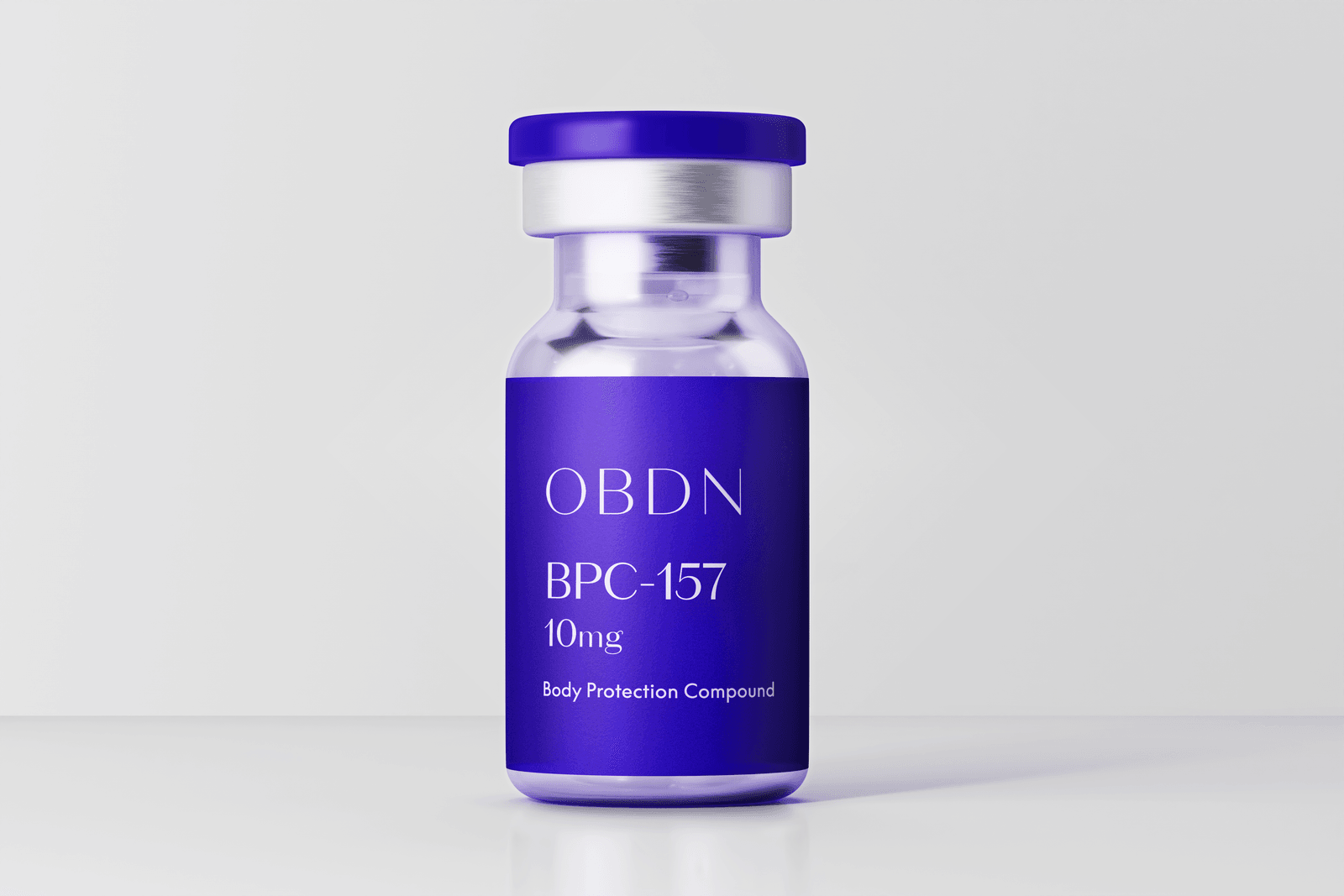
Low StockA 15-amino-acid fragment of a gastric protein studied across tissue repair contexts — vascular formation, cell migration, and matrix organization.
Unlike most peptides, it remains stable in gastric acid for over 24 hours.
In preclinical models, BPC-157 has been associated with nitric oxide regulation and angiogenic signaling (VEGFR2), with effects characterized in gut, tendon, and nerve injury systems.
Extensive preclinical tissue-repair data across multiple animal models; no large-scale human clinical trials published
This content summarizes published research for educational purposes. It is not medical advice.
Research summary based on 9 peer-reviewed sources•Last updated: February 10, 2026•View references ↓
BPC-157 survives gastric acid. Most peptides dissolve in minutes — this one remains intact for over 24 hours, which is why researchers have studied it as a tissue repair signal that works whether delivered orally or by injection.
The peptide coordinates multiple repair processes at once:
In preclinical models, BPC-157 has been characterized across multiple tissue contexts. The mechanism involves nitric oxide regulation, angiogenic signaling through VEGFR2, and modulation of how cells attach and migrate during remodeling.2
Multiple preclinical studies demonstrate protective effects against NSAID damage, alcohol, stress ulceration, and inflammatory bowel disease models. In IBD models, BPC-157 accelerated mucosal healing, reduced TNF-α, IL-1β, and IL-6, and restored barrier integrity.32
In rat Achilles tendon models, BPC-157 increased biomechanical strength, organized collagen deposition, and improved tendon-to-bone integration. Similar effects in ligament injury models. One mechanistic finding: the peptide upregulated growth hormone receptor expression in tendon fibroblasts.42
In sciatic nerve crush models, BPC-157 enhanced functional recovery, improved nerve conduction velocities, and accelerated architectural restoration. The neuroprotective effects coordinated with improved microvascular coupling between nerve and capillary beds.51
A small but growing body of pilot studies has emerged:
A 2025 HSS Journal systematic review screened 544 articles and included 36 (35 preclinical, 1 clinical), concluding that due to lack of high-quality clinical evidence, use should be approached with caution. A separate 2025 narrative review identified theoretical safety concerns including pathologic angiogenesis potential.910
BPC-157 has a robust preclinical evidence base. Human clinical data remain limited to small pilot studies (~28 subjects total across published reports).
No large-scale controlled human trials have been published. The mechanisms have been characterized in cell culture and animal studies. A 2019 systematic review concluded that while preclinical safety profiles appear favorable, rigorous clinical trials are needed to establish human safety and efficacy.2
For laboratory research use only.
| Amino Acid Sequence | Gly-Glu-Pro-Pro-Pro-Gly-Lys-Pro-Ala-Asp-Asp-Ala-Gly-Leu-Val |
|---|---|
| Single-Letter Code | GEPPPGKPADDAGLV |
| Molecular Formula | C62H98N16O22 |
| Molecular Weight | 1419.53 g/mol |
| Amino Acid Count | 15 |
| CAS Number | 137525-51-0 |
| PubChem CID | 9941957 |
| Origin | Synthetic pentadecapeptide derived from a fragment of Body Protection Compound (BPC) found in human gastric juice |
| Synonyms | Bepecin, PL-14736, PLD-116 |